Roofing & home improvements
Choosing Roofing Materials for Australian Conditions
Compare practical factors including climate, maintenance, weight and appearance.
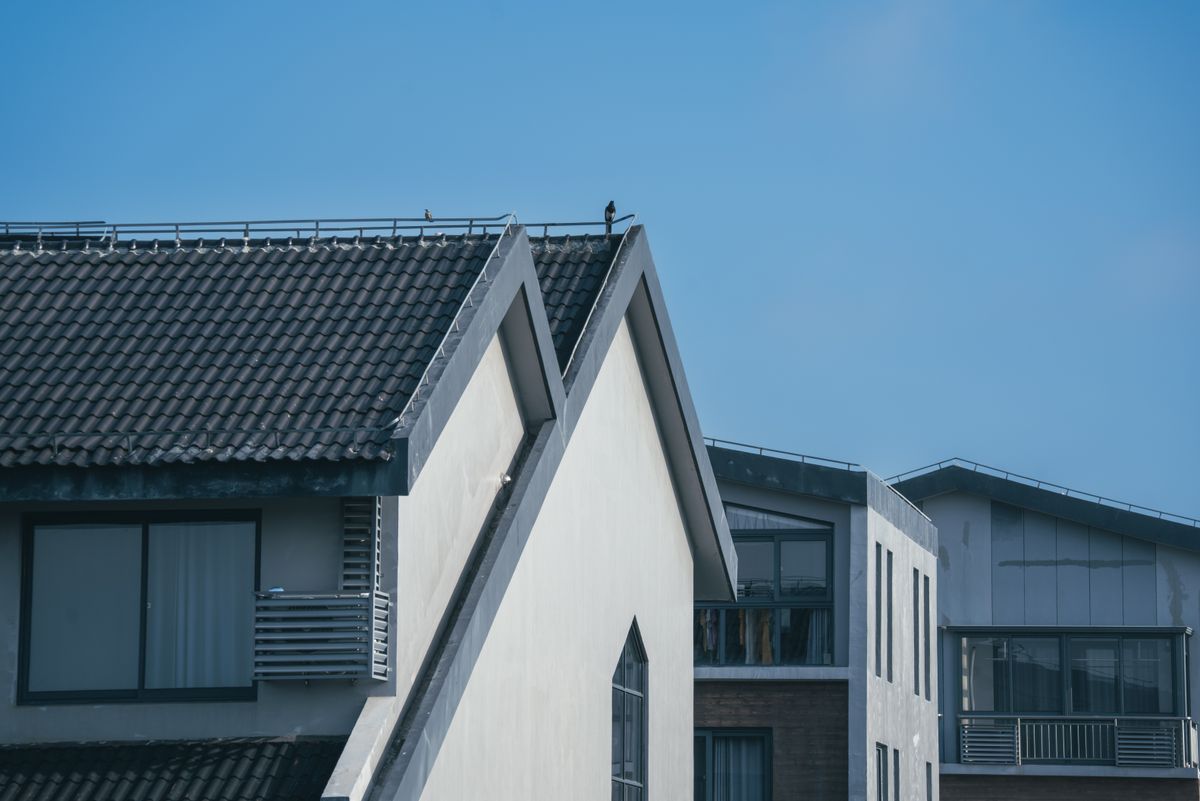
The right roofing material depends on the building, local conditions and installation requirements rather than appearance alone.
Start with the situation in front of you
The right roofing material depends on the building, local conditions and installation requirements rather than appearance alone. Begin by recording what you can observe, what matters most and which questions remain unanswered. This keeps the decision connected to real conditions rather than a generic rule or rushed assumption.
Use a clear, proportionate process
For choosing roofing materials for australian conditions, choose the smallest useful next step and know its limits. Gather current documents or professional input where the decision depends on safety, legal requirements, property condition or individual wellbeing. A clear process is easier to review and explain.
Review what you learn
Good decisions improve as reliable information becomes available. Compare the result with your original priority, note any tradeoffs and adjust without treating the first plan as permanent. Consistent review creates progress that is both practical and sustainable.
Why context changes the answer
Choosing Roofing Materials for Australian Conditions does not happen in a vacuum. The right approach depends on the people involved, the condition of what already exists, available time, local requirements and the consequences of getting the decision wrong. Start by writing a short description of the present situation. Include what you can directly observe, what you have already tried and what remains uncertain. The right roofing material depends on the building, local conditions and installation requirements rather than appearance alone. That principle becomes useful only when it is connected to these real conditions. Context prevents a general guide from being treated as a promise and helps you recognise when specialised advice is more appropriate.
Information worth gathering first
Before acting on choosing roofing materials for australian conditions, collect the records and observations most likely to change your decision. Depending on the topic, that might include photographs, dates, plans, current documents, maintenance history, household priorities or notes from several visits. Separate facts from interpretations: a fact can be observed or verified, while an interpretation is a possible explanation. Both are useful, but they should not be confused. Where safety, legal duties, finance, structural condition or personal wellbeing is involved, confirm the current position with an appropriately qualified professional or authoritative source.
Turn the idea into a small plan
A practical plan for choosing roofing materials for australian conditions begins with one action that is specific enough to schedule. State who will do it, what information they need and how completion will be recognised. Then set a short review point. The purpose is not to judge the entire idea immediately; it is to learn what became clearer, what created friction and which assumption needs checking. Small steps reduce the cost of a mistake while generating information that is relevant to your circumstances. Scale the plan only after the first step has produced something useful.
Common mistakes to avoid
The first common mistake in choosing roofing materials for australian conditions is trying to solve every related issue at once. The second is choosing an option because it is popular or visually appealing without checking whether it fits the underlying need. A third is failing to establish a review date, allowing a temporary workaround to become permanent. Write down decision criteria before comparing options. Be cautious with claims that have no defined scope, comparisons based on different conditions and conclusions drawn from a single example. Clarity is usually more valuable than speed at the beginning.
How to involve other people
When choosing roofing materials for australian conditions affects a household, client, contractor or wider team, communication is part of the work. Explain the desired outcome and the reason it matters before presenting a preferred solution. Invite questions that reveal missing needs or practical constraints. Record who is responsible for the decision, who will carry out each action and where updates will be shared. This does not require a formal meeting for every small choice. It does require enough clarity that expectations do not silently diverge and important tasks do not fall between people.
How to assess the quality of a source
A quick search can produce a confident answer about choosing roofing materials for australian conditions, but confidence is not evidence. Check who created the information, when it was updated, what geographic area it covers and whether the author explains limitations. Local rules should be verified with the relevant authority. A product supplier may be a strong source for installation or operating instructions but not a neutral comparison of alternatives. Look for agreement across sources with different roles. If two reliable sources appear to conflict, examine whether they are addressing different circumstances before deciding that one must be wrong.
Measure outcomes that matter
The effect of a decision about choosing roofing materials for australian conditions should eventually be visible in everyday life. Choose two or three indicators that match the goal: time, frequency, cost category, number of defects, ease of use, comfort, response from an audience or another observable change. Not every meaningful result can be reduced to a number, so pair simple measurements with a short written observation. Compare like with like and note unusual external factors. Measurement should support a better decision, not become a reporting exercise that consumes more effort than the improvement itself.
What to do when the first attempt fails
A disappointing result does not automatically mean the whole approach to choosing roofing materials for australian conditions was wrong. Review whether the action was completed as intended, whether conditions changed and whether enough time passed for a result to appear. The step may have been too large, the instructions unclear or the responsibility uncertain. Change one element at a time so the effect can be understood. If cost or risk is increasing, pause and seek appropriate advice. Stopping an experiment when its limits become clear is responsible decision-making, not failure.
Make the improvement easier to maintain
A useful approach to choosing roofing materials for australian conditions lasts when it fits an existing rhythm. Attach the action to a regular event, make the required tools or information easy to find and remove unnecessary steps. If success depends on one person remembering an unwritten process, document the essentials in plain language. Schedule occasional reviews rather than assuming the system will remain suitable forever. Maintenance does not mean resisting change. A mature process becomes simpler as experience reveals which steps genuinely protect quality and which were only useful during setup.
A practical next step
The central lesson of choosing roofing materials for australian conditions is to treat it as a sequence of informed choices rather than a one-time formula. Describe the context, verify the information that matters, take a proportionate action and set a review point. Write down one thing you can do today and one question that needs a reliable answer before you proceed further. This division prevents both rushed action and endless research. A good next step is concrete enough to place in a calendar, add to a checklist or raise in a conversation with the right person.
A realistic everyday example
Imagine that you want to improve something connected with choosing roofing materials for australian conditions, but time is limited and several priorities compete for attention. Instead of waiting for a perfect free day, spend twenty minutes describing the situation and selecting one action. Use a separate short session to verify the information you need, then decide. Separating observation, research and action reduces pressure and exposes hidden assumptions. It may reveal that the issue does not require a large project at all. A modest correction, clearer responsibility or better record may produce the most useful improvement.
When professional help is the right next step
Learning about choosing roofing materials for australian conditions helps you ask informed questions, but research alone is not always enough for a safe decision. Professional input becomes important when an error could affect health, building integrity, legal rights, finance, safety or regulatory compliance. Prepare observations, documents and a concise list of questions before the conversation. Ask the adviser to explain the scope of their assessment, the assumptions being made and anything that cannot be confirmed without further work. Good advice does not remove your role in the decision; it provides a stronger basis for exercising it.
Keep a useful record
Simple records make work on choosing roofing materials for australian conditions easier to review and less dependent on memory. Note the date, action, information source and observed result. Photographs, a short checklist or a sentence in a calendar may be enough. Consistency matters more than elaborate formatting. After several weeks, the record can show what was actually repeated, which conditions changed and whether the improvement is durable. It also gives another person useful context if you later need collaboration, a specialist opinion or a handover after the project has paused.
Questions for a final reflection
Return to the original goal for choosing roofing materials for australian conditions and ask what you know now that was unclear at the beginning. Which assumption was supported, and which needs revision? Is the chosen action practical to maintain? What uncertainty or risk remains? The answers do not need to be final. Their purpose is to identify the next proportionate step and prevent an outdated solution from continuing automatically. Reflection closes one stage of the process while preserving what was learned for the next decision.
A decision suited to the circumstances
Ultimately, choosing roofing materials for australian conditions does not require a perfect plan. It requires a decision that is sound enough for present conditions and supported by reliable information. Preserve room to adjust when new evidence or changing needs appear. State what remains unknown instead of filling gaps with confidence. This approach improves collaboration, reduces the cost of later corrections and creates a reusable way to approach similar questions. The best outcome is not only a completed task; it is a clearer decision process that can be understood and improved next time.
A useful short checklist
- Define the outcome and describe the starting point.
- Separate observations from assumptions.
- Verify information specific to your circumstances.
- Choose a realistic action, owner and review date.
- Record what changed and what still needs an answer.
- Use qualified help where the risk or decision requires it.
This article provides general educational information and should be considered alongside advice and requirements relevant to your circumstances.